
Building AI Capability Across Industries
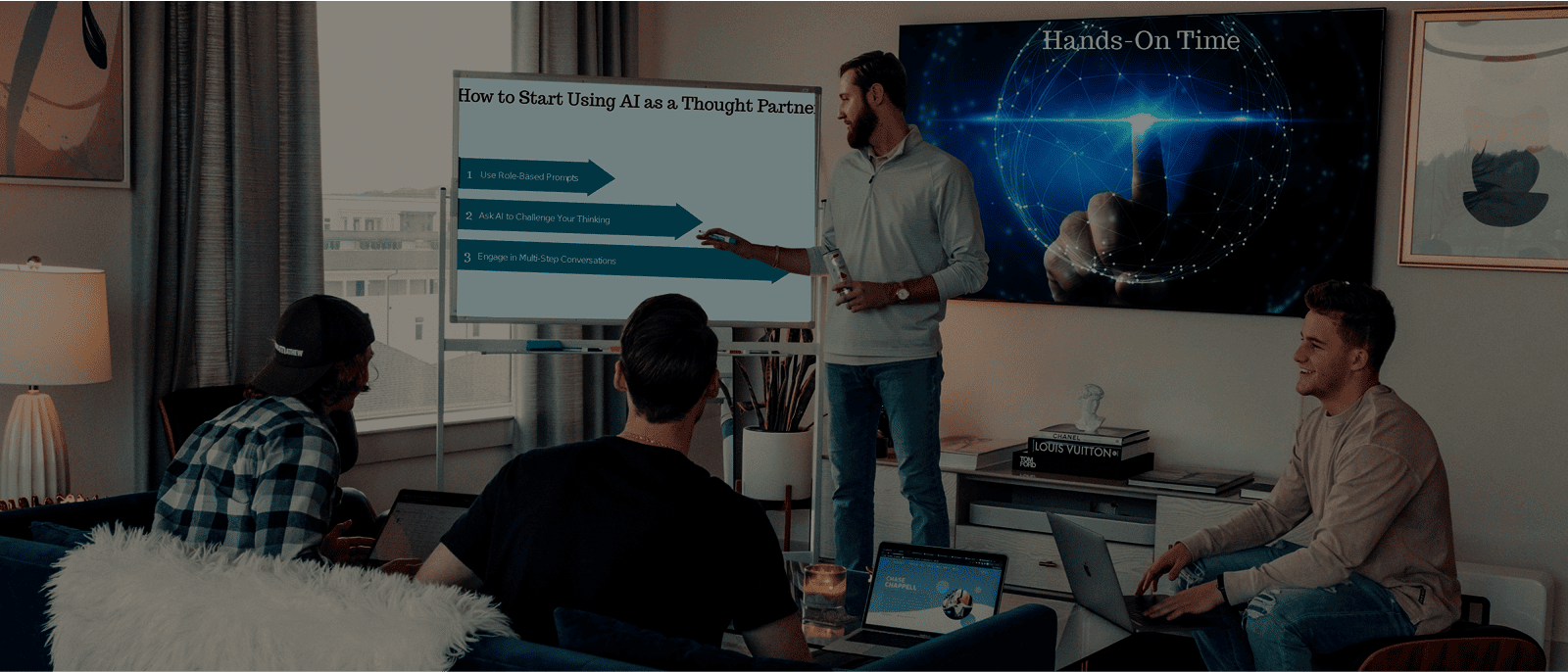
Explore our experience delivering hands-on AI training across diverse industries, with workshops tailored to participants’ roles, business priorities, approved platforms and safeguards.

Distribution and Logistics
Distribution and logistics teams make time-sensitive decisions across inventory, purchasing, warehouse operations, fleet management, pricing, sales, billing and customer service. Generative artificial intelligence can help employees find information, examine options and communicate more effectively when people who understand the operation remain in control.

Manufacturing and Industrial Services
Manufacturing and industrial teams work across interconnected systems where errors can affect quality, delivery, safety and customer trust. Generative artificial intelligence can help people investigate issues, organize information and prepare decisions, but it cannot replace operational knowledge or established controls.

Construction and Engineering
Construction and engineering organizations coordinate complex work across clients, disciplines, projects and field conditions. Generative artificial intelligence can accelerate research, preparation and communication, but it must remain subordinate to professional expertise, project requirements and established review processes.

Banking, Wealth Management and Financial Services
Financial organizations must move quickly while protecting customer information, meeting regulatory obligations and sustaining confidence in every decision. Generative artificial intelligence can support research, analysis and communication.

Venture Capital and Investment Firms
Investment teams work with abundant information, incomplete evidence and limited time. Generative artificial intelligence can help professionals investigate a market, organize findings and prepare sharper questions, but it cannot assume responsibility for an investment thesis or decision.
Biotechnology and Life Sciences
Life-sciences teams need more than fluent output. They need practical ways to apply artificial intelligence to real work, verify what it produces and recognize where scientific, regulatory and professional judgment must remain in control.